
The Argument
COMMENTARY: Jackson’s personal property ordinance is now the working rule for the city’s sidewalks, curb ramps, and parks — and it is a more careful document than its short summaries suggest. At its September 8, 2026 meeting, the Jackson City Council approved the Chapter 17 ordinance amendment, and the changes went into effect on October 8, 2026. The amendment addresses unattended or excessive personal property in public spaces. Its stated intent runs in two directions at once: support safe, accessible sidewalks, curb ramps, parks, and other shared areas, while protecting personal belongings and treating every person with dignity. Both halves are in the text, and both halves matter to how the rule should be judged.
What the Amendment Does
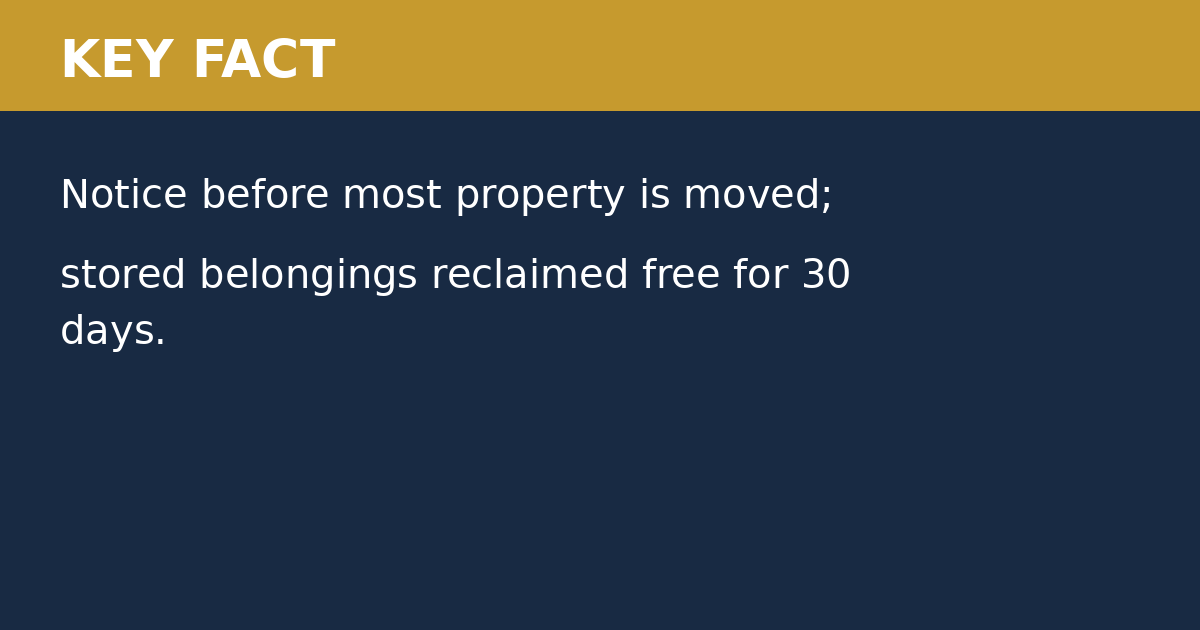
FACT: Under the city’s published summary, the amendment keeps sidewalks, curb ramps, and accessible routes open for people using wheelchairs, walkers, and strollers; establishes consistent expectations for unattended or excessive personal property in public areas; requires notice before most property is moved; requires belongings to be documented and safely stored for 30 days, except for trash, spoiled food, or genuine health and safety hazards; allows stored belongings to be reclaimed at no cost and without identification; and allows city staff and officers to provide warnings, referrals to services, or other voluntary solutions instead of automatically issuing a citation. The proposed rule applies to everyone, regardless of housing status. The notice process generally provides at least 24 hours, with a possible two-hour minimum in certain high-traffic downtown areas designated by the City Manager; remaining property is cataloged and photographed before storage. (Source: City of Jackson News Flash, opened Nov. 8, 2026.)

COMMENTARY: The reclaim terms are the part residents should hold onto. Thirty days of storage, no cost, no identification required — a person needs only to reasonably describe or identify the belongings. That is a deliberate design choice: the city’s own page recognizes that these belongings are someone’s property and, in some cases, may be everything that person owns. Notice first, documentation second, storage third, and services offered alongside — the sequence is the policy. A citation, the city stresses, is not the only available response, and officers are not required to issue one.
What It Does Not Do — and an Honest Caveat
FACT: The city’s summary states the amendment does not criminalize being homeless, does not ban sleeping, sitting, or resting outside, does not allow belongings to be discarded without notice except for trash or genuine hazards, does not require a citation, and does not single out any person or group based on housing status. The city also states plainly that an ordinance cannot solve the housing crisis, build housing, or expand shelter capacity. One caveat belongs on the record: the city’s page carries both an adopted-and-effective header dated 10/8/2026 and earlier proposal language saying the ordinance has not been finalized and may be revised — readers who need the operative legal text should read the adopted amendment itself, which the city links from the same page. (Source: City of Jackson News Flash, opened Nov. 8, 2026.)
COMMENTARY: Mayor Mahoney and the council used the September meeting to call on residents, organizations, and service providers to join conversations about better supporting people experiencing homelessness, and the city invites anyone who wants to share ideas to contact their ward councilmember. That invitation is the ordinance’s honest frame: a limited tool for shared spaces, paired with an admission that the larger work — shelter, outreach, housing — belongs to the whole community. Judge the rule by its text and its use, and hold both to the standard the city set for itself.
Frequently Asked Questions
When did Jackson’s personal property ordinance take effect?
FACT: The City Council approved the Chapter 17 amendment on Sept. 8, 2026, and the approved changes went into effect Oct. 8, 2026, per the City of Jackson.
What happens before property is moved?
FACT: Written notice is posted explaining what must move and why; the general minimum is at least 24 hours, possibly two hours in designated high-traffic downtown areas, per the city summary.
How long are belongings stored, and what does reclaiming cost?
FACT: Documented belongings are safely stored for 30 days and may be reclaimed at no cost and without identification, per the city; trash, spoiled food, and genuine hazards are excepted.
Does the ordinance criminalize homelessness?
FACT: No — the city states it does not criminalize being homeless or ban sleeping, sitting, or resting outside, and it applies regardless of housing status.
Want Jackson’s top local stories in one place? Browse the businesses shaping the area in the NeighborClick Local directory — JOIN the FREE Private Insider List for local stories, business spotlights, community updates and even if you don’t have business you’ll be an Insider.


Comments