
The Argument
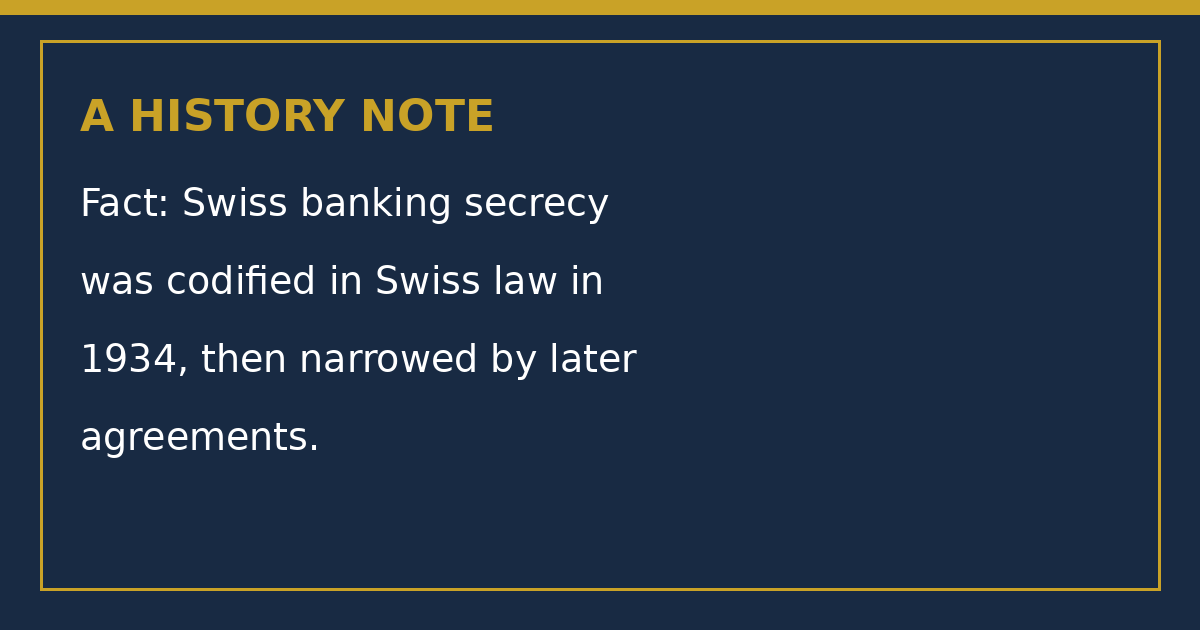
FACT: Swiss banking secrecy was formally codified in Swiss law in 1934, and has been narrowed by later international agreements.
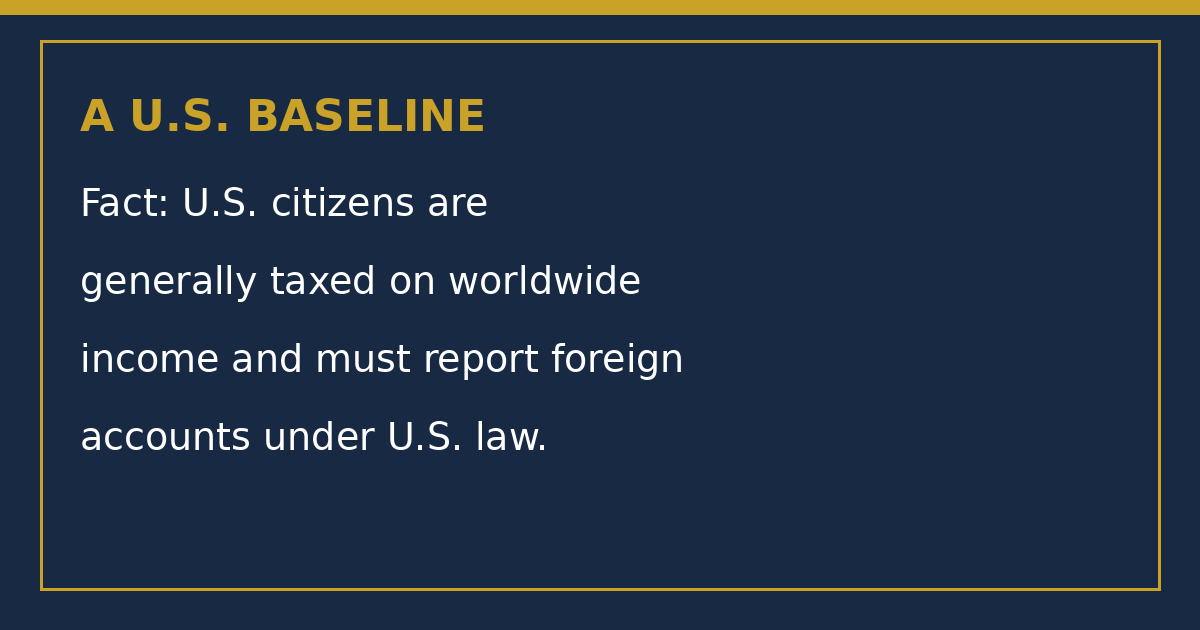
FACT: U.S. citizens are generally taxed on worldwide income and must report foreign accounts under U.S. law.
Why Vaults Came First
COMMENTARY: The offshore story begins with geography and fear. Through the wars and currency crises of the twentieth century, families and organizations moved savings toward places that seemed stable, private, and neutral, and Switzerland’s vaults became the symbol of that instinct. Secrecy was not an accident of that system; it was the product being sold. Understanding that history matters for a Jackson MI reader because the modern rules only make sense as a reaction to it: each new reporting law answers an older era when money could cross a border and effectively disappear from every government’s view.
The Transparency Turn
COMMENTARY: From the late twentieth century onward, the direction reversed. Tax authorities cooperated across borders, information-sharing agreements multiplied, and the United States built reporting duties that follow its citizens wherever they bank. The legitimate reasons people hold accounts abroad never vanished — a family living overseas still needs local banking, an NGO operating in several countries still needs to move funds to its work, and a nomad still needs accounts that function across time zones — but those accounts now live in daylight, documented and reportable, rather than in shadow.
Digital Fortresses, Same Old Questions
COMMENTARY: Today’s version of the vault is digital: encrypted apps, multi-currency accounts, and banks that onboard customers by video call. The technology changed the walls, not the questions. Who regulates this institution? What happens if it fails? What must be reported, to whom, and when? A family in Albion MI with a parent working abroad faces the same categories of question as a Geneva banker did, at kitchen-table scale. The honest modern playbook is therefore mostly a compliance playbook: keep records, report what the law requires, and get qualified advice before acting, because penalties in this area are famously unforgiving of guesswork.
An Educational Note, Not Advice
COMMENTARY: This article is educational history only. It is not financial, tax, or legal advice, it describes no method for evading any law, and it recommends none. Anyone considering a foreign account — for work abroad, family life, ministry, or an NGO — should consult a licensed tax professional and attorney who know their full situation. History explains how the fortress was built; professionals are the ones qualified to say whether any door in it is right for you.
Frequently Asked Questions
Is holding a bank account in another country legal for U.S. citizens?
COMMENTARY: Generally, accounts abroad are legal when they are properly reported as U.S. law requires. This article is educational only; a licensed tax professional can address a specific situation.
Why did Swiss banks become so famous?
COMMENTARY: A mix of political neutrality, stability, and legally protected secrecy made Switzerland the best-known destination for foreign savings through much of the twentieth century.
What changed in the modern era?
COMMENTARY: International information-sharing and U.S. reporting requirements made foreign accounts far more transparent than in the vault era, shifting the emphasis to documentation and compliance.
Should a Jackson MI family open an account abroad after reading this?
COMMENTARY: Not on the basis of any article. Treat this as background reading, then consult licensed tax and legal professionals before making any financial decision.
Want Jackson’s top local stories in one place? Browse the businesses shaping the area in the NeighborClick Local directory — JOIN the FREE Private Insider List for local stories, business spotlights, community updates and even if you don’t have business you’ll be an Insider.


Comments